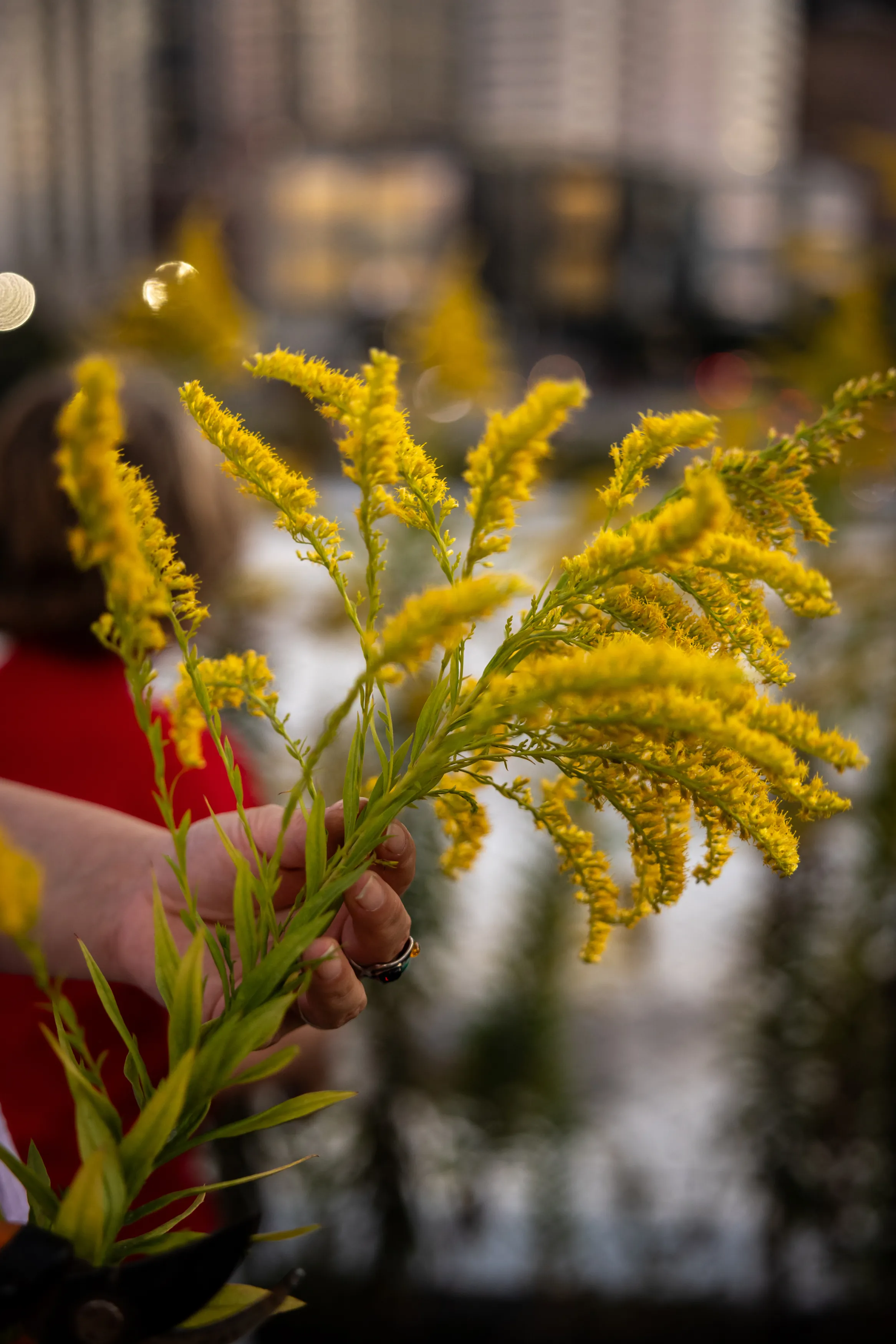
Edible Wildscapes Field Notes
Field notes from Edible Wildscapes, part of Blackwood's Food as Medicine Series with the Nature Discovery Center. Seven edible native plants, how to use them, and how to forage safely.
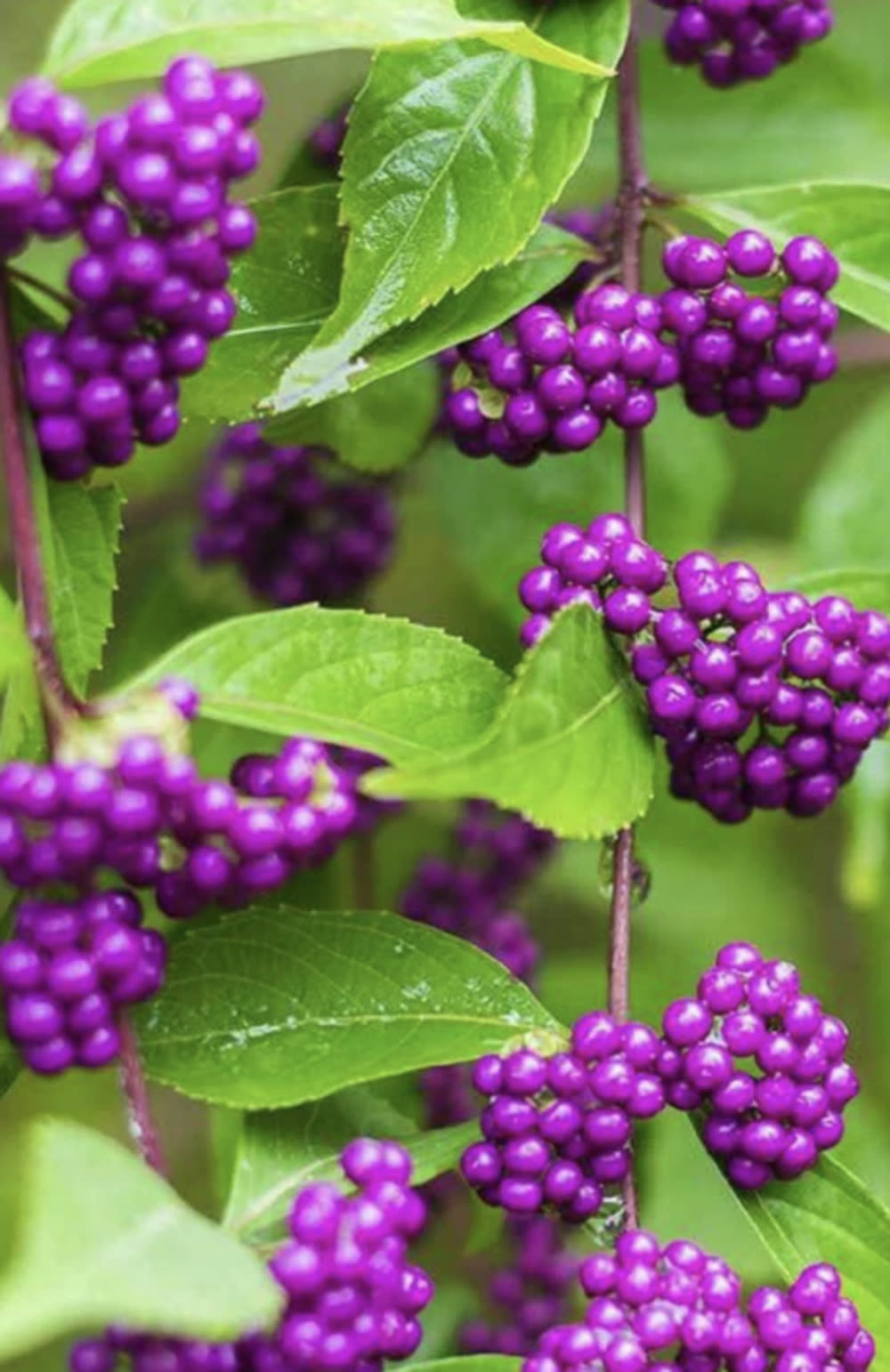
These are the field notes for Edible Wildscapes, part of Blackwood's Food as Medicine Series, held with the Nature Discovery Center on Thursday, September 17, 2026. Teachers for the walk are Sar Yashinskie and Cath Conlon.
Seven plants are covered below, with notes on which parts are edible and how to use them. Read the foraging safety notes at the end before you gather anything.
1. Turk's Cap
Malvaviscus arboreus
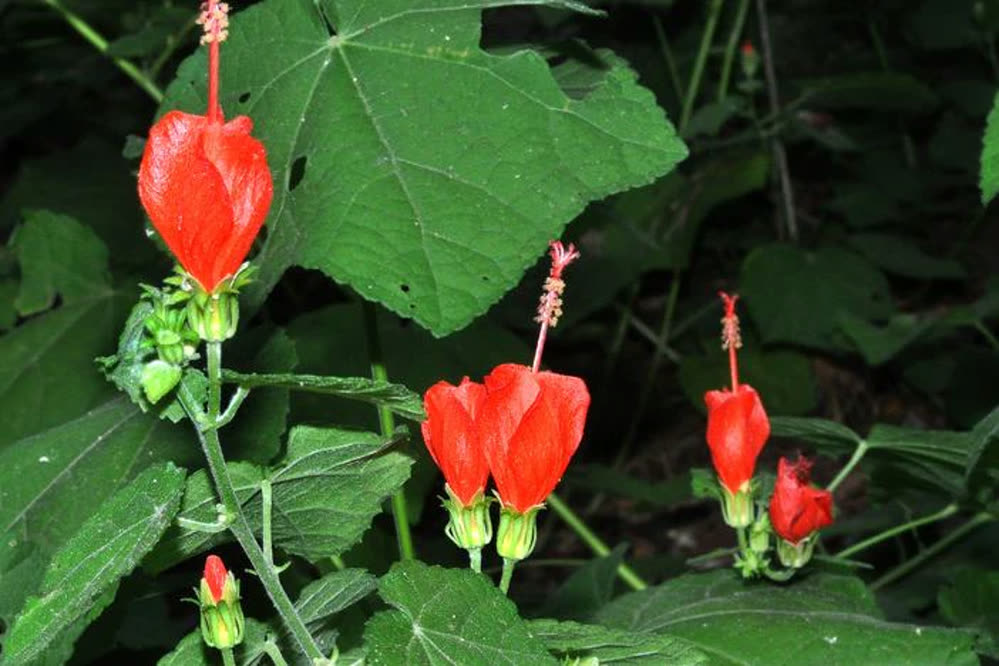
Leaves, flowers, and fruit are all edible.
- Leaves. The young, tender leaves can be used like spinach, but cook them to soften their texture. High in minerals.
- Flowers. They taste like honeysuckle and are loaded with nectar at mid-morning and again in mid-afternoon, which is when hummingbirds find them sweetest. Use the flowers fresh or dried to make tea. High in antioxidants.
- Fruit. Ripe when it is dark reddish-orange with no white skin present. Tastes like apples. High in vitamin C.
2. Wood Oats
Chasmanthium latifolium
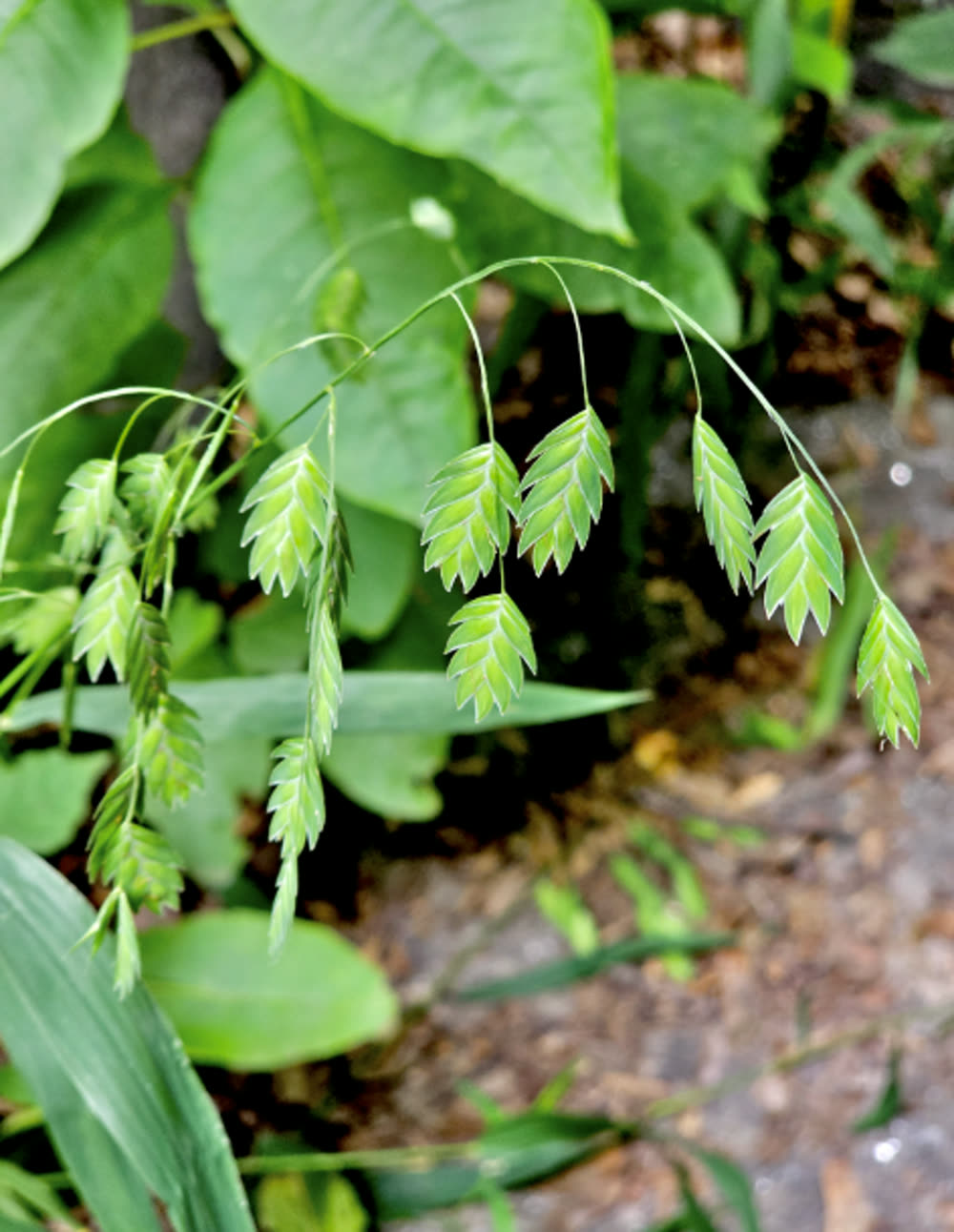
- Similar to sea oats, but shorter.
- Winnowed as a grain for cereal, or ground for flour.
- The name means "gaping flower, fat leaf."
3. Yaupon Holly
Ilex vomitoria
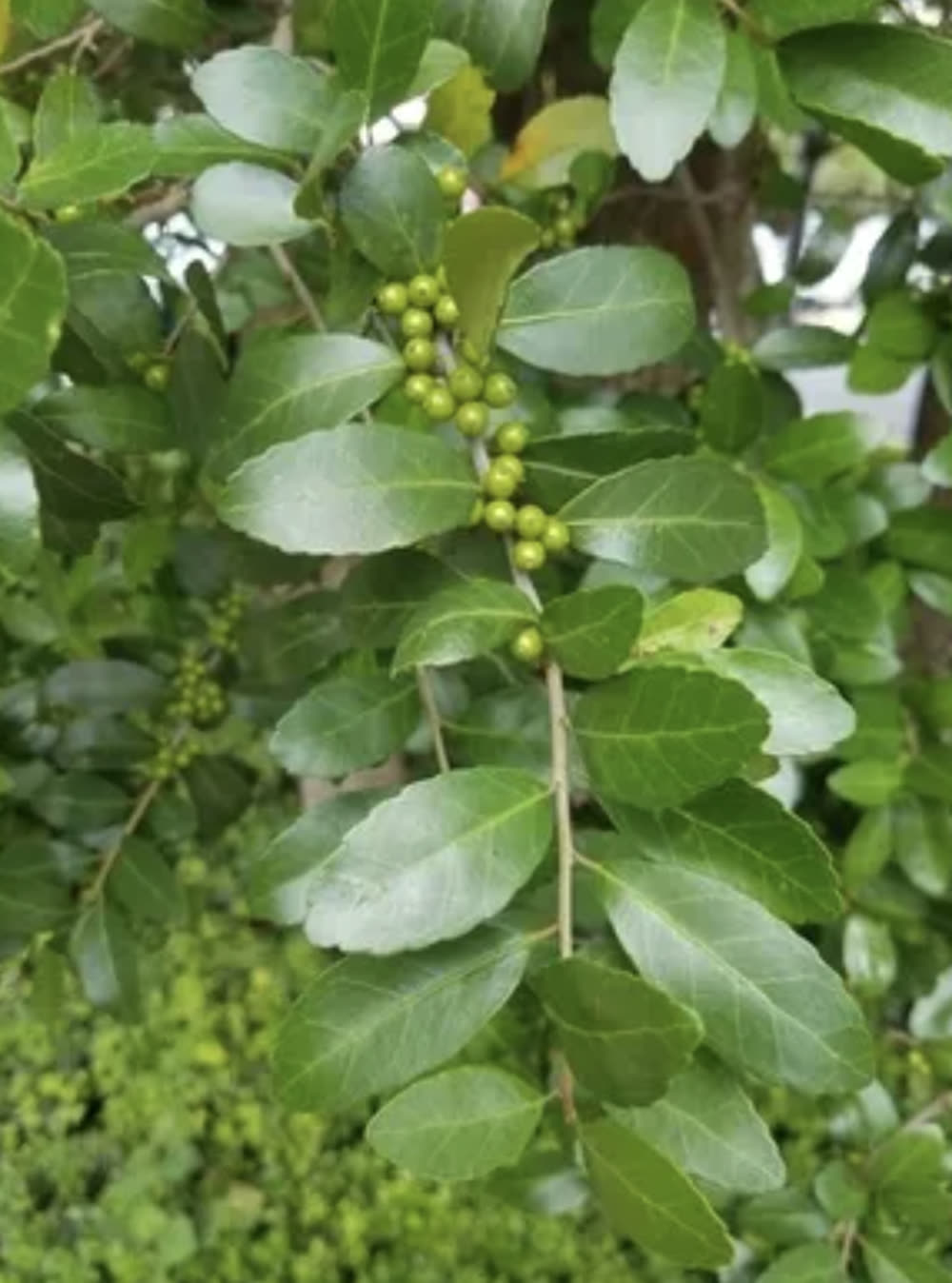
- Use the dried leaves for tea. It is a native caffeine source with antioxidants and a natural sweetness. Let the leaves air dry slowly for higher caffeine content.
- Female plants produce berries, but they do not taste good. They were long said to make you sick, and that has been shown to be untrue.
- Be careful of Chinese privet, which looks similar but is toxic. Chinese privet has uniform leaves, while yaupon has alternate leaves.
4. American Beauty Berry
Callicarpa americana
- Ripe fruit is good raw or in jelly. Raw, it has a slightly medicinal taste.
- Some people get an upset stomach after eating it, so start slow.
- More research is needed on its safety as an insect repellent on skin. Research suggests it works as well as DEET, but the toxicity for skin contact is unknown.
5. Orchid Tree
Bauhinia, also called camel foot, because the leaf shape looks like a camel's foot.
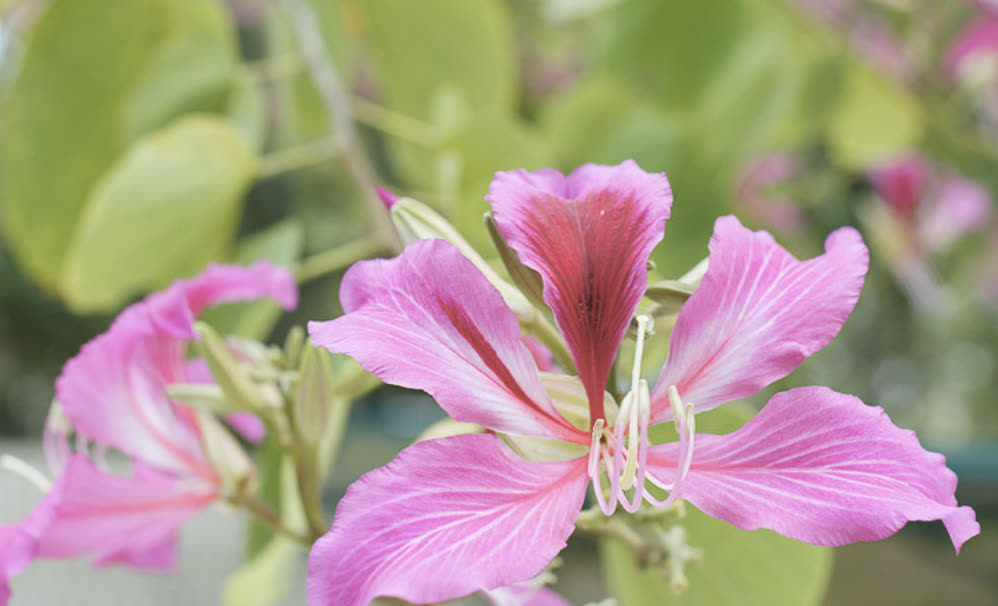
- Flowers. The buds can be pickled and the flowers can be cooked. They can be made into a chutney or added to salads.
- Native to India.
6. Elderberry
Sambucus canadensis
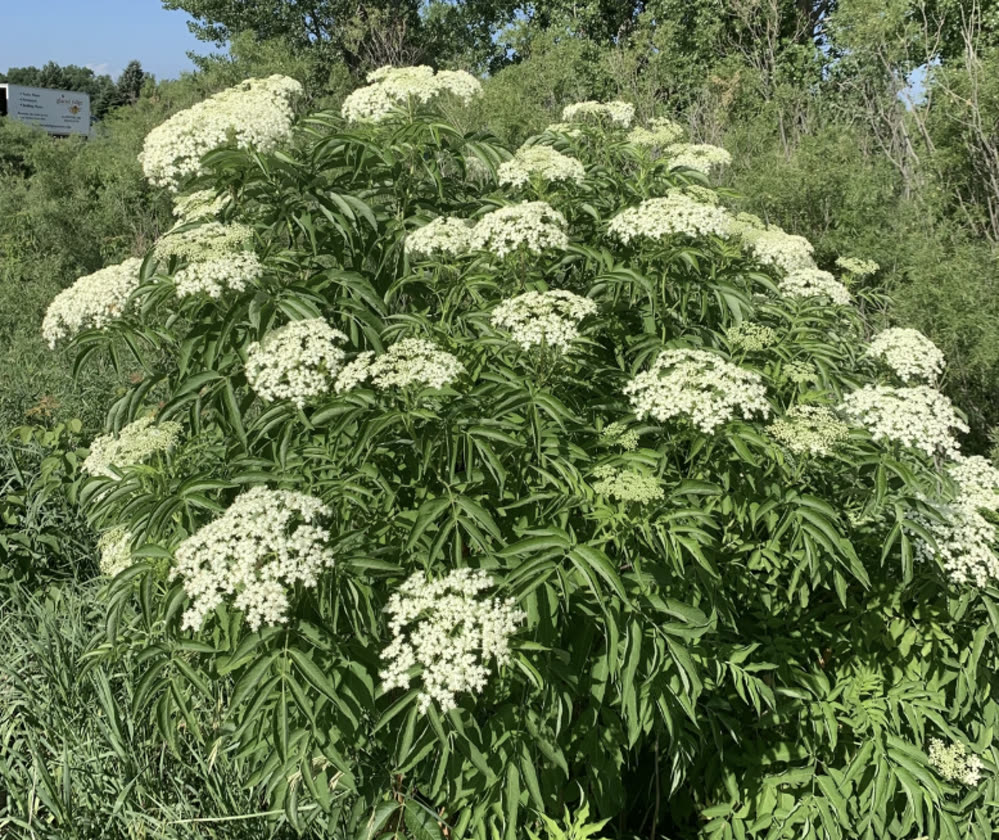
- Berries and flowers are edible. The rest of the tree is poisonous.
- Both are an immune stimulant, and compounds in them can interact with chemotherapy drugs.
- Flowers make a good snack raw. Berries have an unpleasant taste raw, but they are great for drying or cooking down.
- Blackwood uses elderberry and elderflower to make syrups and cordials.
7. Salvia
Salvia greggii
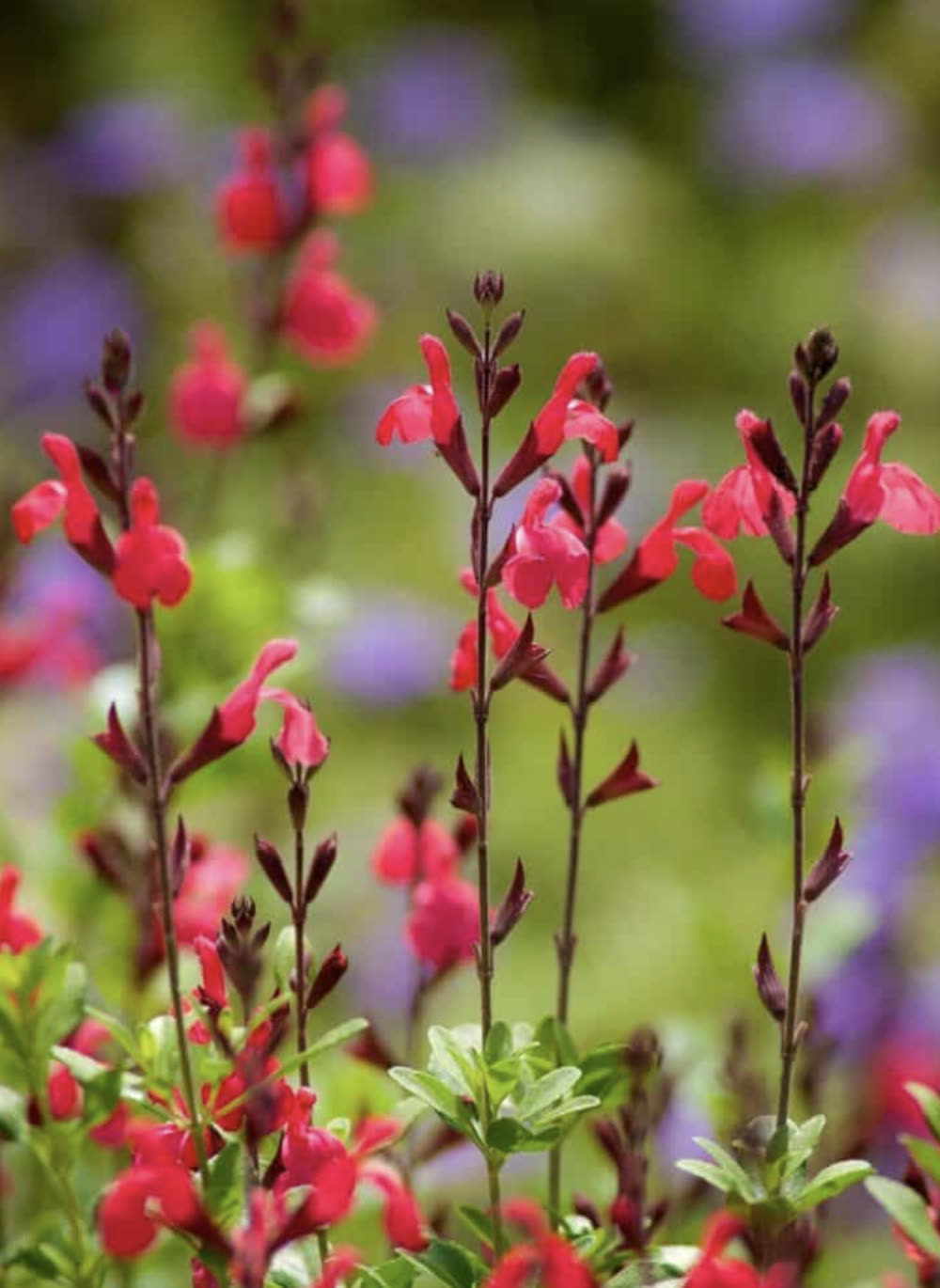
- In the mint family.
- Flowers are best for eating. The tubular blossoms are crunchy, mildly tangy, and sweet thanks to an abundance of nectar.
- Leaves are aromatic, but use them sparingly.
How to forage safely
- Know where you are going.
- Find out what pesticides or chemicals are being used there.
- Consider whether animals use the area as a bathroom.
- Be cautious of weather.
- Have a friend double check the plant identification.
- Do not forage roadside, especially near stop signs, where pollutants are heavy.
Stay connected
Follow and tag Blackwood and the Nature Discovery Center on Instagram or Facebook: @blackwoodland and @naturediscoverycenter.
Find more Blackwood Food as Medicine events, and learn more about the Nature Discovery Center.
These are the field notes for Edible Wildscapes, part of Blackwood's Food as Medicine Series, held with the Nature Discovery Center on Thursday, September 17, 2026. Teachers for the walk are Sar Yashinskie and Cath Conlon.
Seven plants are covered below, with notes on which parts are edible and how to use them. Read the foraging safety notes at the end before you gather anything.
Turk's Cap
Red furled flowers that never open all the way. Leaves, blooms, and fruit are all worth gathering.
- Leaves. The young, tender leaves can be used like spinach, but cook them to soften their texture. High in minerals.
- Flowers. They taste like honeysuckle and are loaded with nectar at mid-morning and again in mid-afternoon, which is when hummingbirds find them sweetest. Use the flowers fresh or dried to make tea. High in antioxidants.
- Fruit. Ripe when it is dark reddish-orange with no white skin present. Tastes like apples. High in vitamin C.
Wood Oats
A native grass with flat drooping seed heads that can be winnowed for cereal or ground into flour.
- Similar to sea oats, but shorter.
- Winnowed as a grain for cereal, or ground for flour.
- The name means "gaping flower, fat leaf."
Yaupon Holly
A native caffeine source. The dried leaves make a tea with antioxidants and a natural sweetness.
- Use the dried leaves for tea. It is a native caffeine source with antioxidants and a natural sweetness. Let the leaves air dry slowly for higher caffeine content.
- Female plants produce berries, but they do not taste good. They were long said to make you sick, and that has been shown to be untrue.
American Beauty Berry
Unmistakable clusters of vivid purple fruit ringing the stem. Good raw, and better in jelly.
- Ripe fruit is good raw or in jelly. Raw, it has a slightly medicinal taste.
Orchid Tree
Also called camel foot, because the leaf shape looks like a camel's foot. The buds pickle well.
- Flowers. The buds can be pickled and the flowers can be cooked. They can be made into a chutney or added to salads.
- Native to India.
Elderberry
Flat lacy flower clusters and dark berries. Blackwood uses both to make syrups and cordials.
- Flowers make a good snack raw. Berries have an unpleasant taste raw, but they are great for drying or cooking down.
- Blackwood uses elderberry and elderflower to make syrups and cordials.
Salvia
A mint family shrub whose tubular red blossoms are crunchy, mildly tangy, and full of nectar.
- In the mint family.
- Flowers are best for eating. The tubular blossoms are crunchy, mildly tangy, and sweet thanks to an abundance of nectar.
- Leaves are aromatic, but use them sparingly.
How to forage safely
- Know where you are going.
- Find out what pesticides or chemicals are being used there.
- Consider whether animals use the area as a bathroom.
- Be cautious of weather.
- Have a friend double check the plant identification.
- Do not forage roadside, especially near stop signs, where pollutants are heavy.
Stay connected
Follow and tag Blackwood and the Nature Discovery Center on Instagram or Facebook: @blackwoodland and @naturediscoverycenter.
Find more Blackwood Food as Medicine events, and learn more about the Nature Discovery Center.
Be a part of the regenerative movement
Reconnect with the land, grow real food, and be a part of restoring the earth in a tangible, meaningful way.